ULTRASONIC LEVEL TRANSMITTER

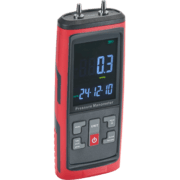
The Ultrasonic Level Transmitter uses ultrasound pulses that bounce off the medium to be measured and are captured by the transmitter. These pulses, traveling at the known speed of sound, allow for the determination of the level of liquid or solid particles by measuring the round-trip time. They are commonly used in the measurement of bulk materials (grain, cereals, etc.) and in processes where contact with the product to be measured is not desirable or possible.

ultrasonic level transmitter

Code

7730106601

Gral. Pack.

1

Technical sheet

Benefits of Ultrasonic Level Transmitter in Industrial Automation

The industrial sector is constantly evolving, always seeking efficiency and precision in its operations. Here, the Ultrasonic Level Transmitter becomes a fundamental ally, offering effective solutions for level measurement and control across a wide range of substances.

Optimal and Safe Installations

One of the greatest benefits of these transmitters is their application in environments where contact with the product is not desirable or possible. From the food industry to chemicals, Ultrasonic Level Transmitters ensure non-invasive measurement, free from cross-contamination, and with a high degree of hygiene.

Versatility in Application

With the ability to measure levels in both liquids and solids, this technology provides flexibility in use across various scenarios. This is especially useful in industries such as construction or agriculture, where the material’s density and composition can vary significantly.

Durability and Reduced Maintenance

Thanks to the robust design and the absence of moving parts, the maintenance of these transmitters is significantly low. This factor translates into substantial long-term savings and ensures minimal interruption of production processes.
Tags:

Privacy Overview
logo mei

This website uses cookies so that we can provide you with the best user experience possible. Cookie information is stored in your browser and performs functions such as recognising you when you return to our website and helping our team to understand which sections of the website you find most interesting and useful.

Strictly Necessary Cookies

Strictly Necessary Cookie should be enabled at all times so that we can save your preferences for cookie settings.

In the category of Necessary Cookies, we find the Cookies that are indispensable for the proper functioning of the website:

Technical Cookies: Technical Cookies are those that are indispensable and strictly necessary for the correct functioning of a web portal and the use of the different options and services it offers.
For example, those used for session maintenance, response time management, validation of performance or options, use of security elements, sharing of content with social networks, etc.

Personalisation cookies: These cookies allow the user to specify or personalise certain features of the general options of the website, for example, to set the language, regional settings or browser type.

Show details
3rd Party Cookies

This website uses Google Analytics to collect anonymous information such as the number of visitors to the site, and the most popular pages.

Keeping this cookie enabled helps us to improve our website.

In the category of non-binding Cookies, we find Cookies that are used for different purposes:

Analytical Cookies:
Analytical cookies are those used by our web portals to create navigation profiles and to know the preferences of the users of the site in order to improve the offer of products and services.
For example, by means of an analytical cookie, we would control which geographical areas are of most interest to a user, which product is the most accepted, etc.

Advertising cookies:
Advertising cookies allow the management of advertising spaces according to specific criteria. For example, the frequency of access, the content edited, etc.
Advertising cookies allow, through advertising management, the storage of behavioural information through the observation of habits, the study of accesses and the formation of a profile of the user's preferences, in order to offer advertising in line with the interests of the user's profile.

Show details